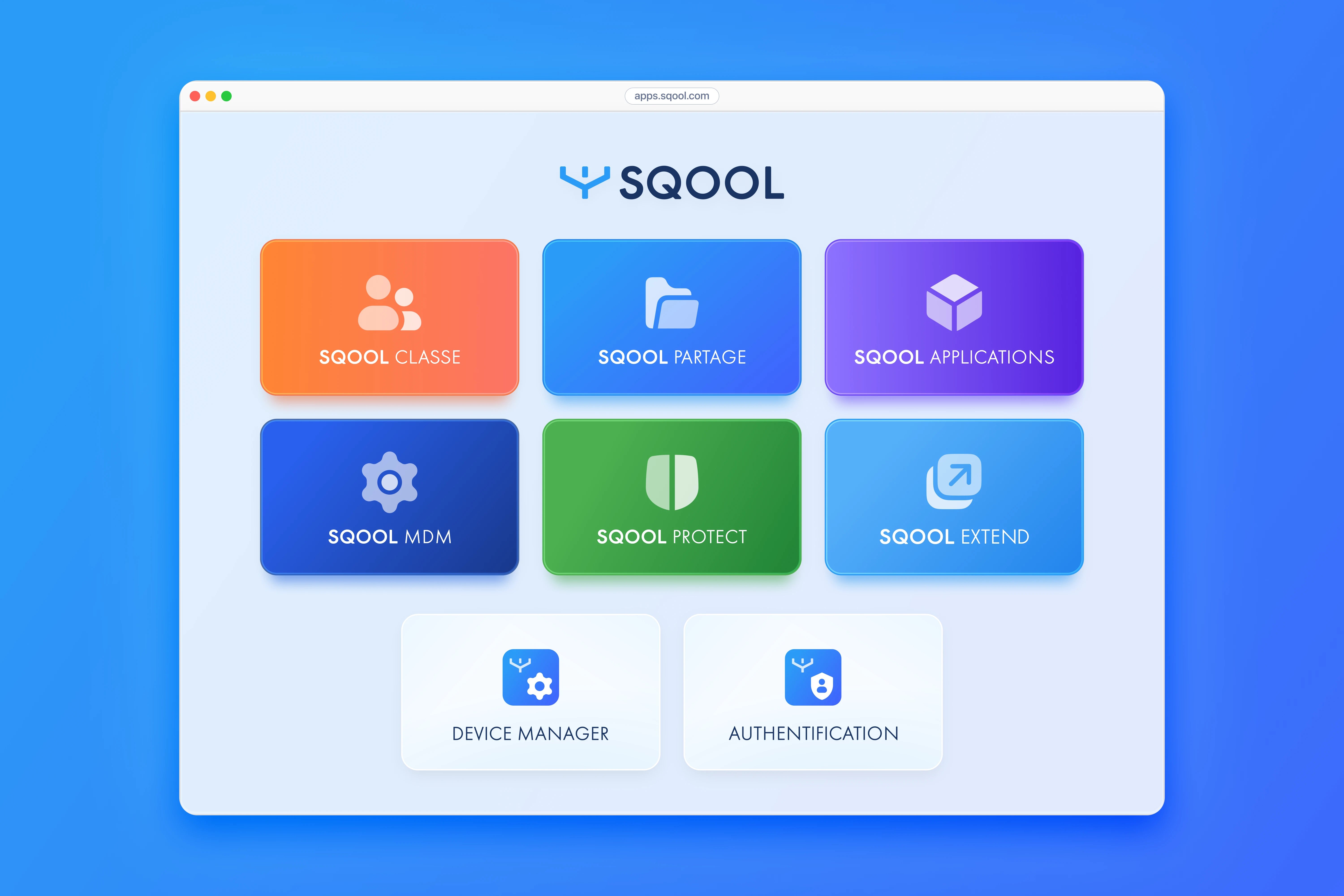
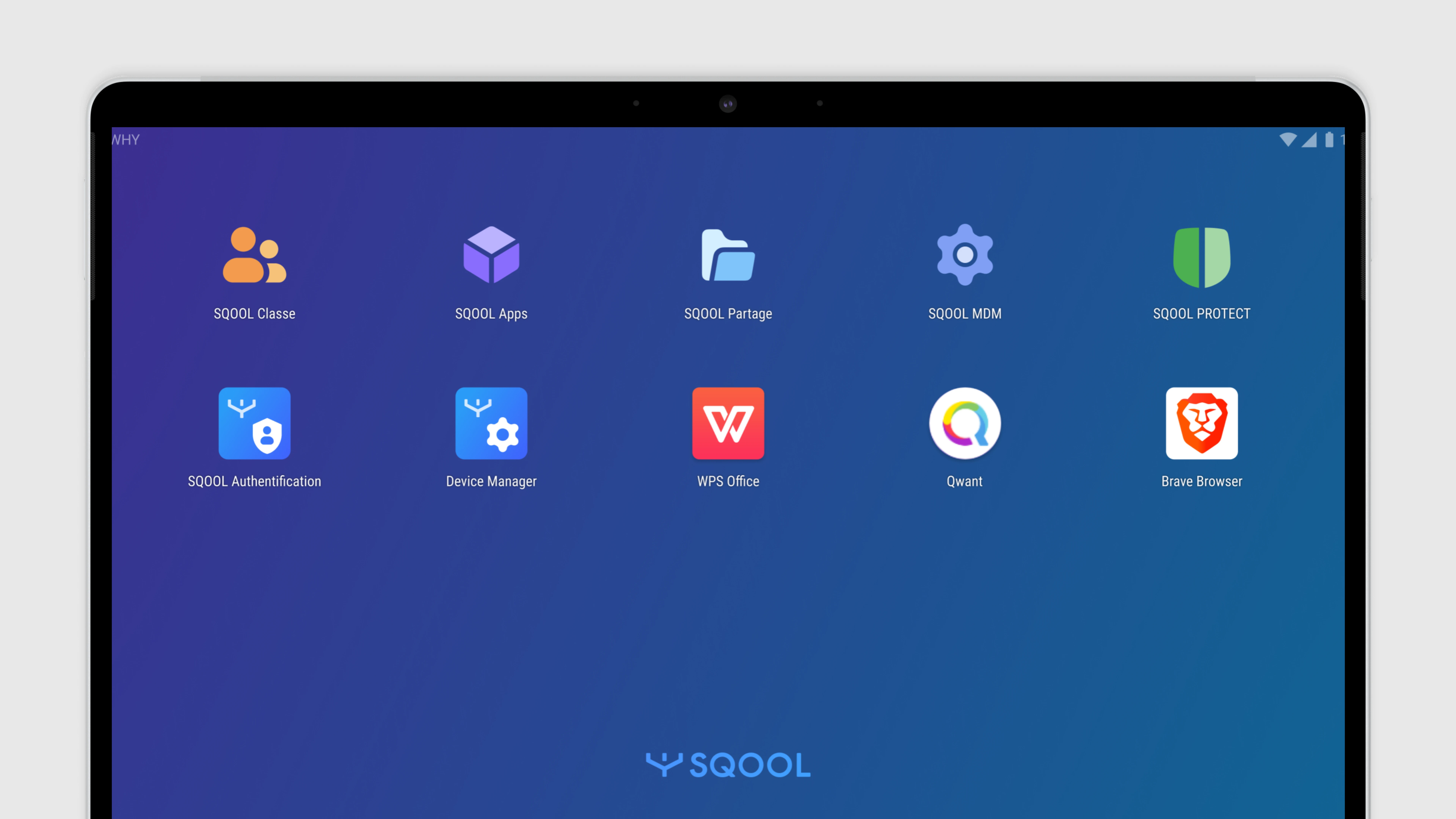
Over six years at UNOWHY I led the design of a suite of 7 web applications that replaced a legacy Android launcher, for 500,000 students and teachers in 465 schools in Île-de-France. It grew out of a prototype that never shipped, Connect, and out of one choice: focused apps instead of a single platform.

“Victor played a key role in our design transformation. He built the team, established our design system, and brought the rigor we needed to scale from one product to an entire ecosystem. His ability to balance strategic vision with hands-on execution was essential to SQOOL’s evolution.”

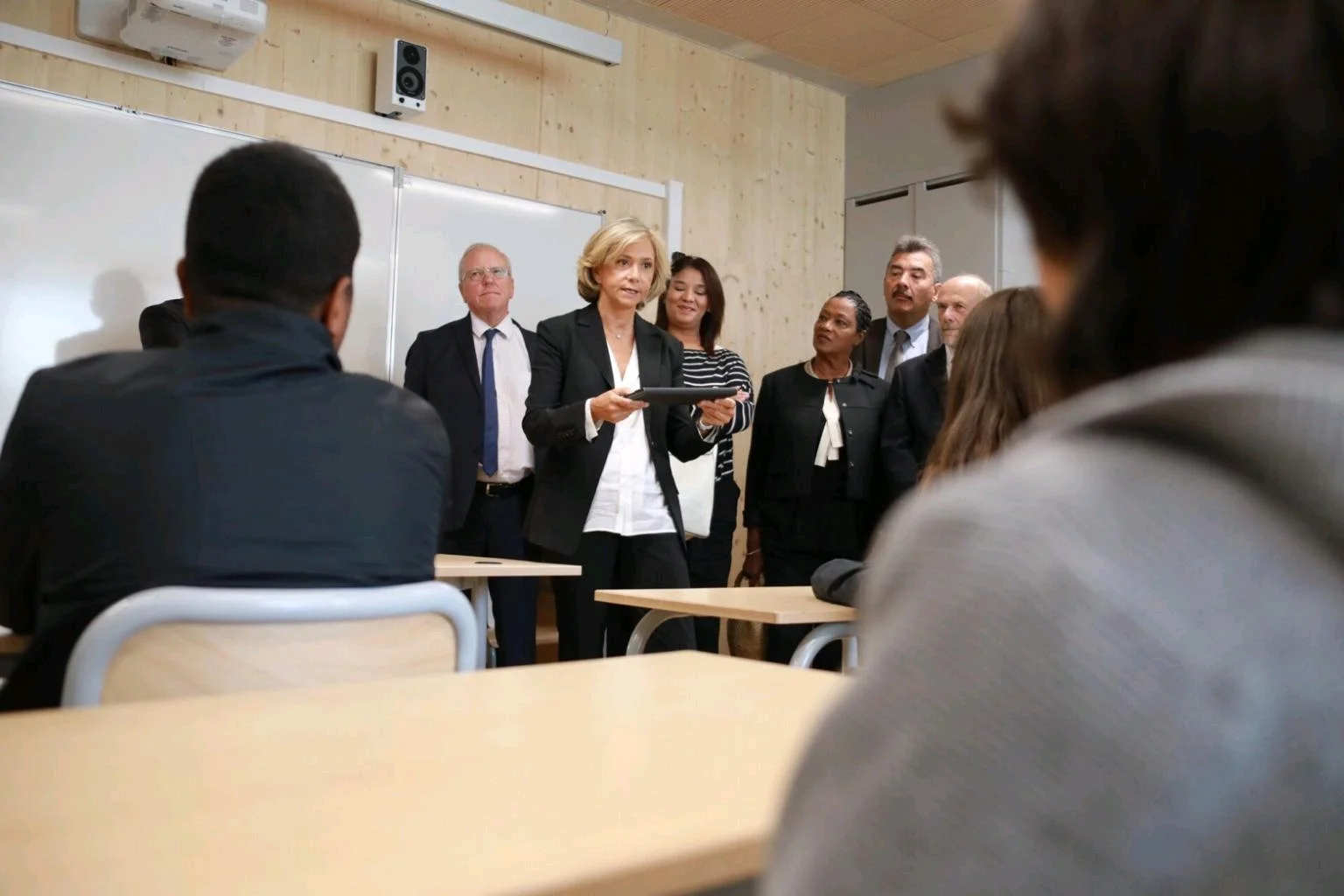
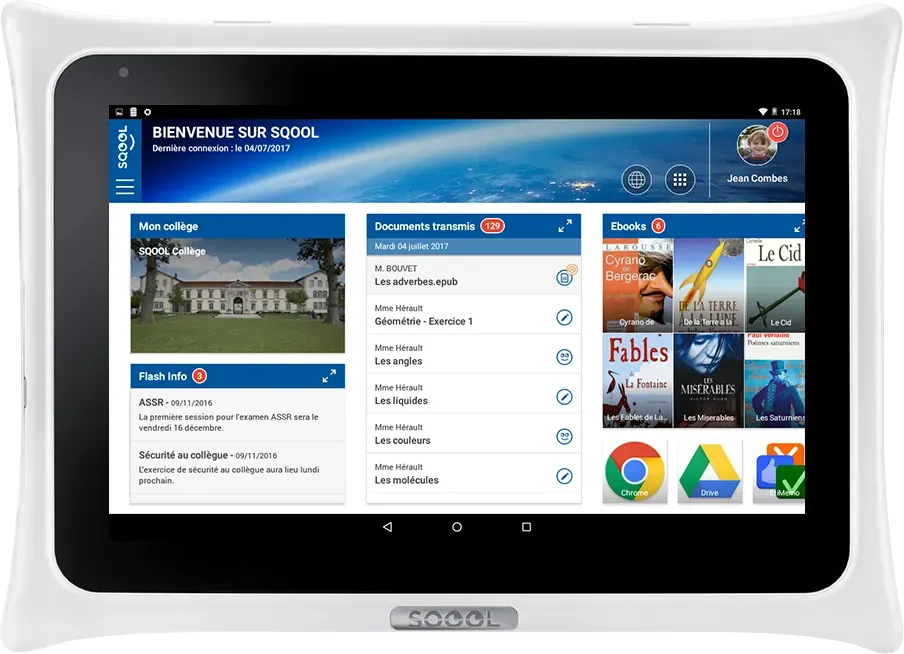
The Île-de-France region equipped 465 high schools with 500,000 personal tablets and PCs. The SQOOL suite, built for shared tablets on carts, no longer fit, so it had to be rebuilt for personal devices used at school and at home.
I joined UNOWHY in 2018 as Senior Product Designer, then led design and finally product, with a seat on the executive committee. I recruited and managed a team of 5 designers, co-led product strategy with the CPO and built the design system for the whole suite.
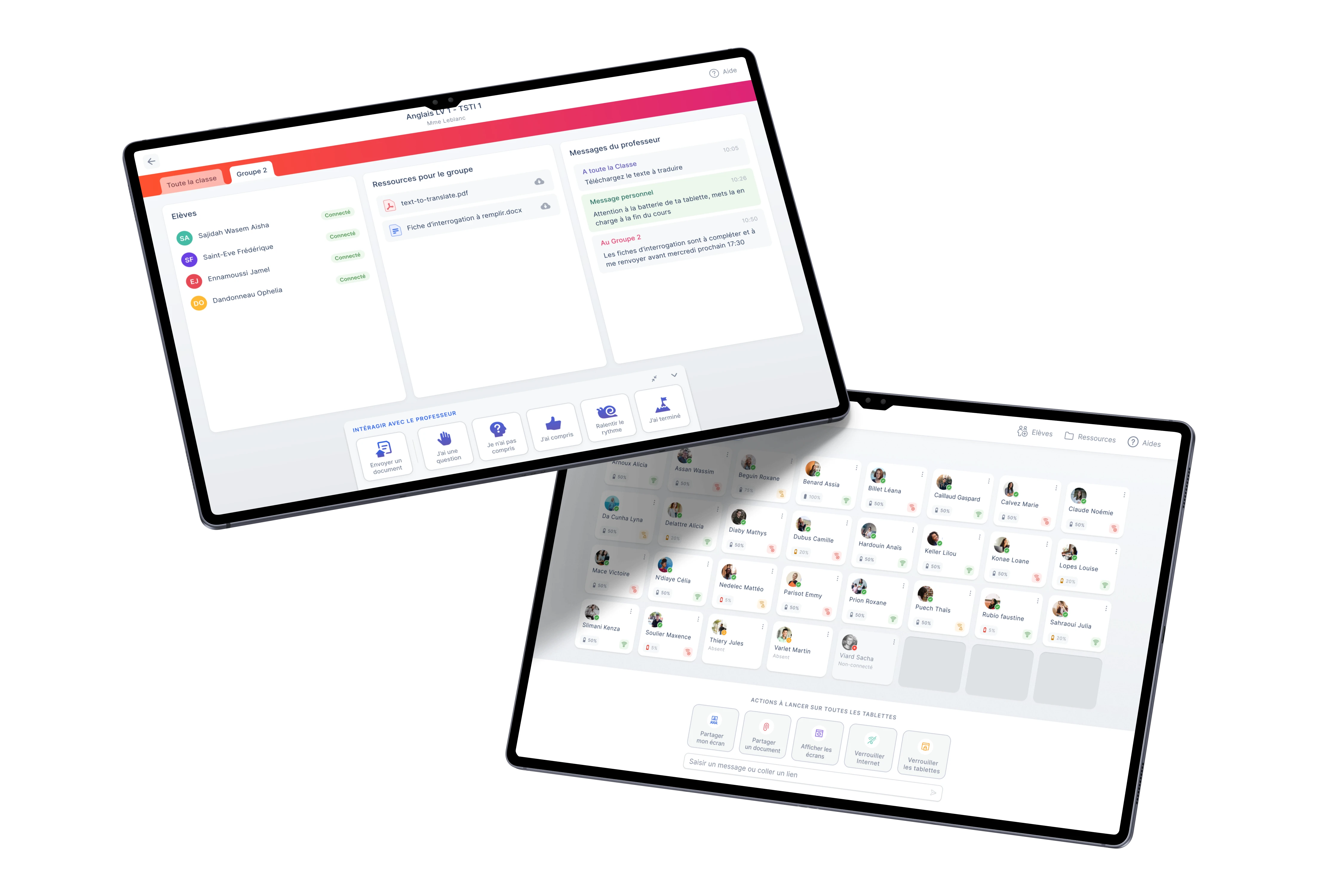
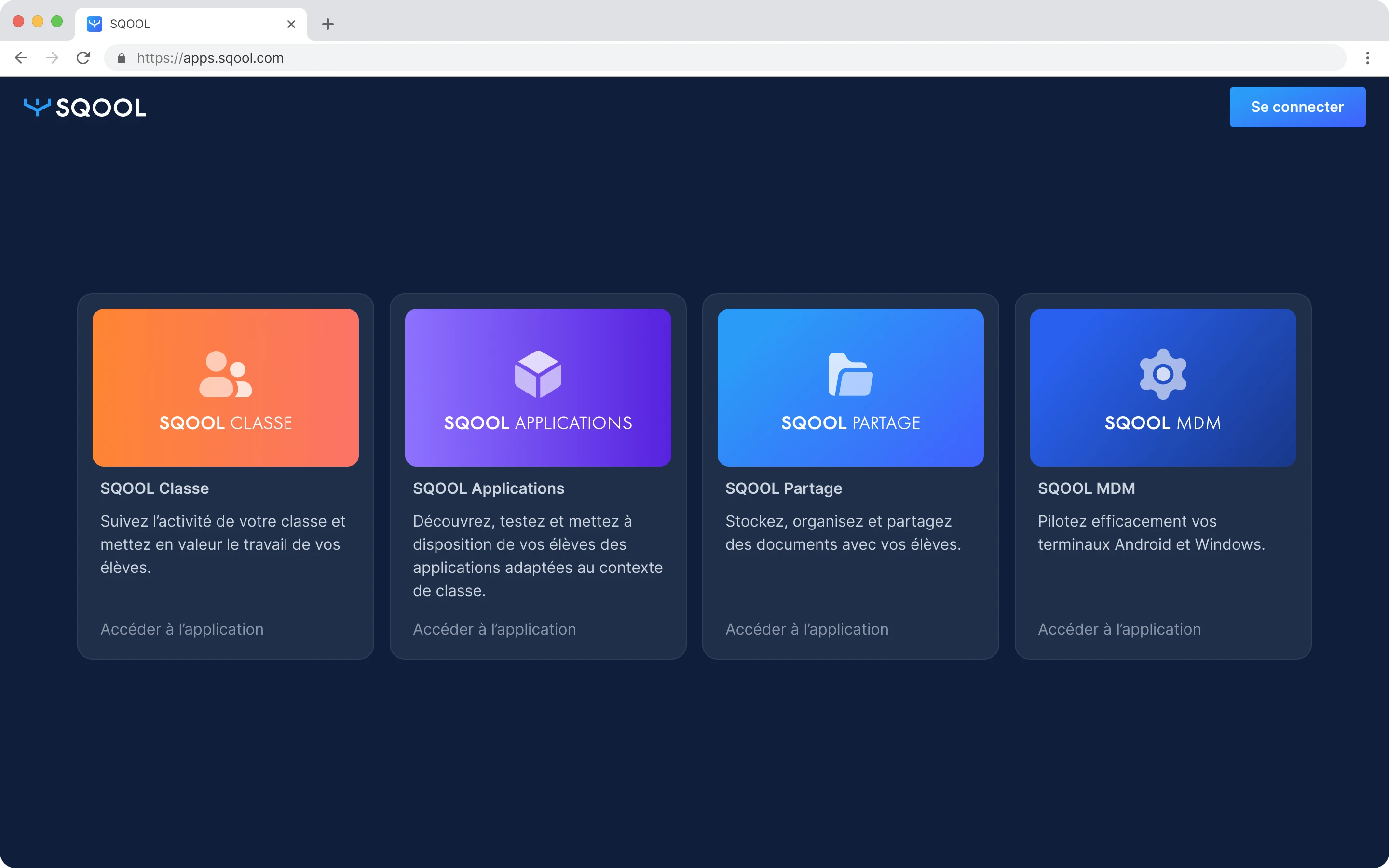
SQOOL Classe
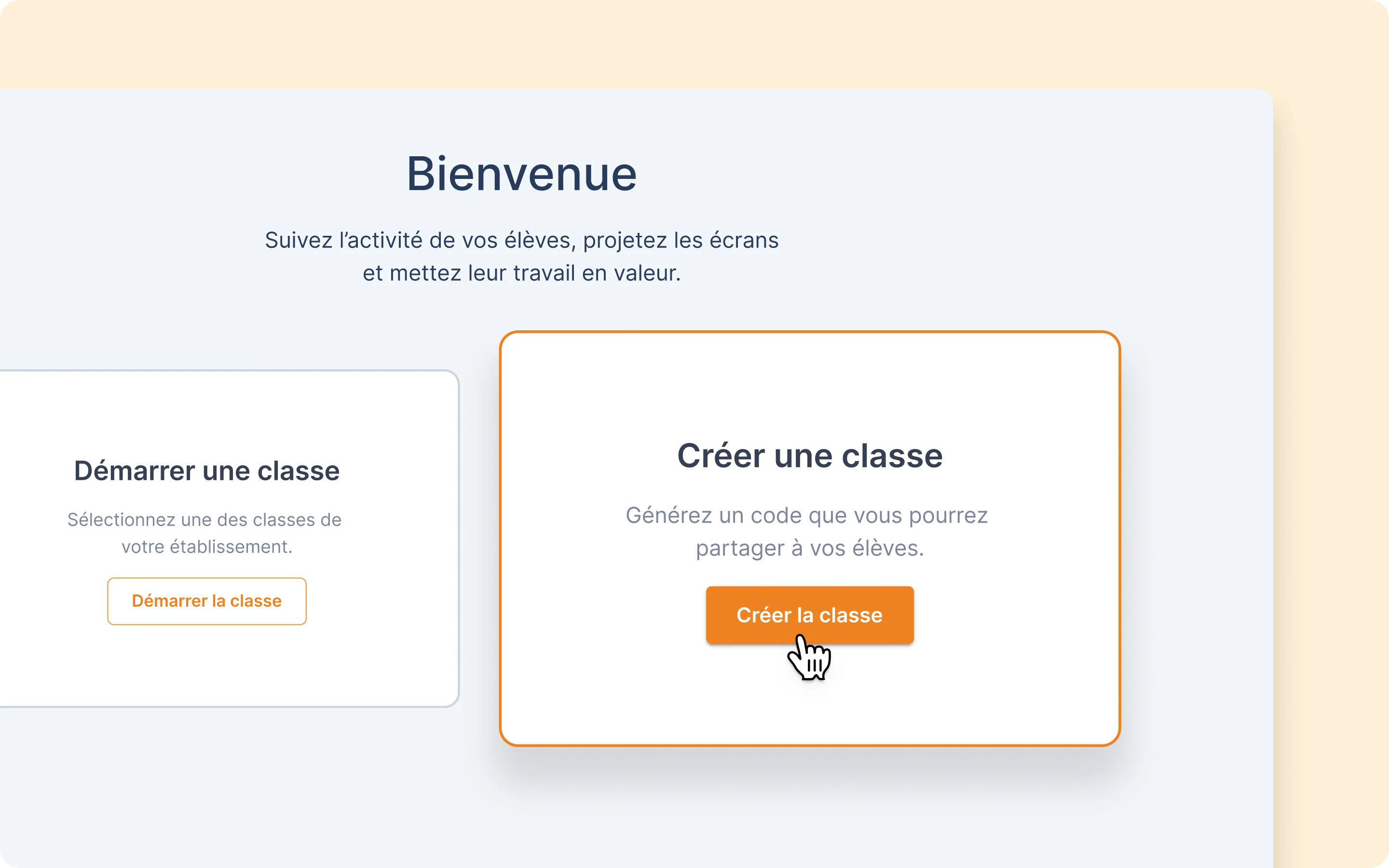
Real-time classroom supervision: teachers see every student screen, lock devices and push content.
SQOOL Partage
File sharing in one gesture, as simple as AirDrop for a class.
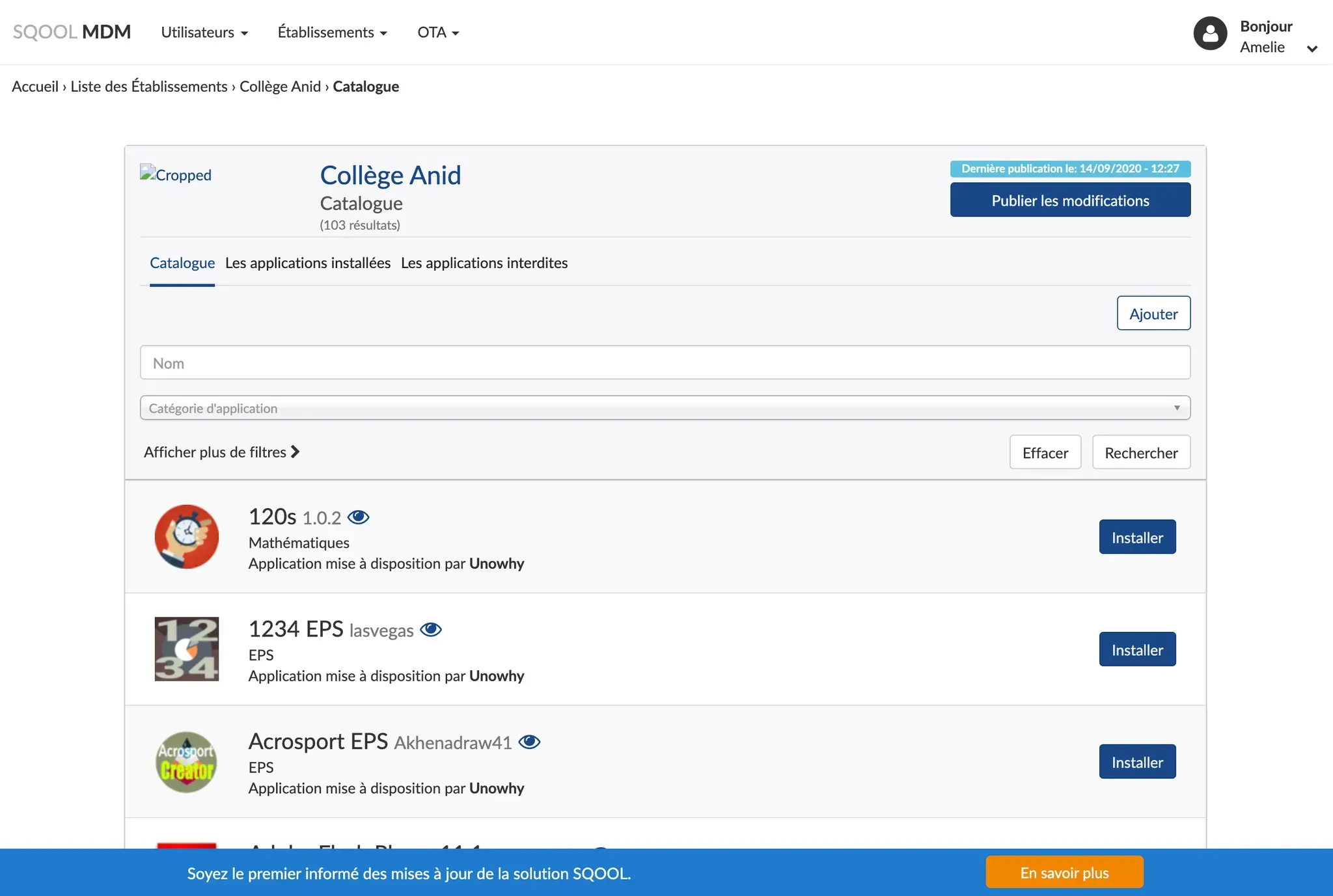
SQOOL MDM and Applications
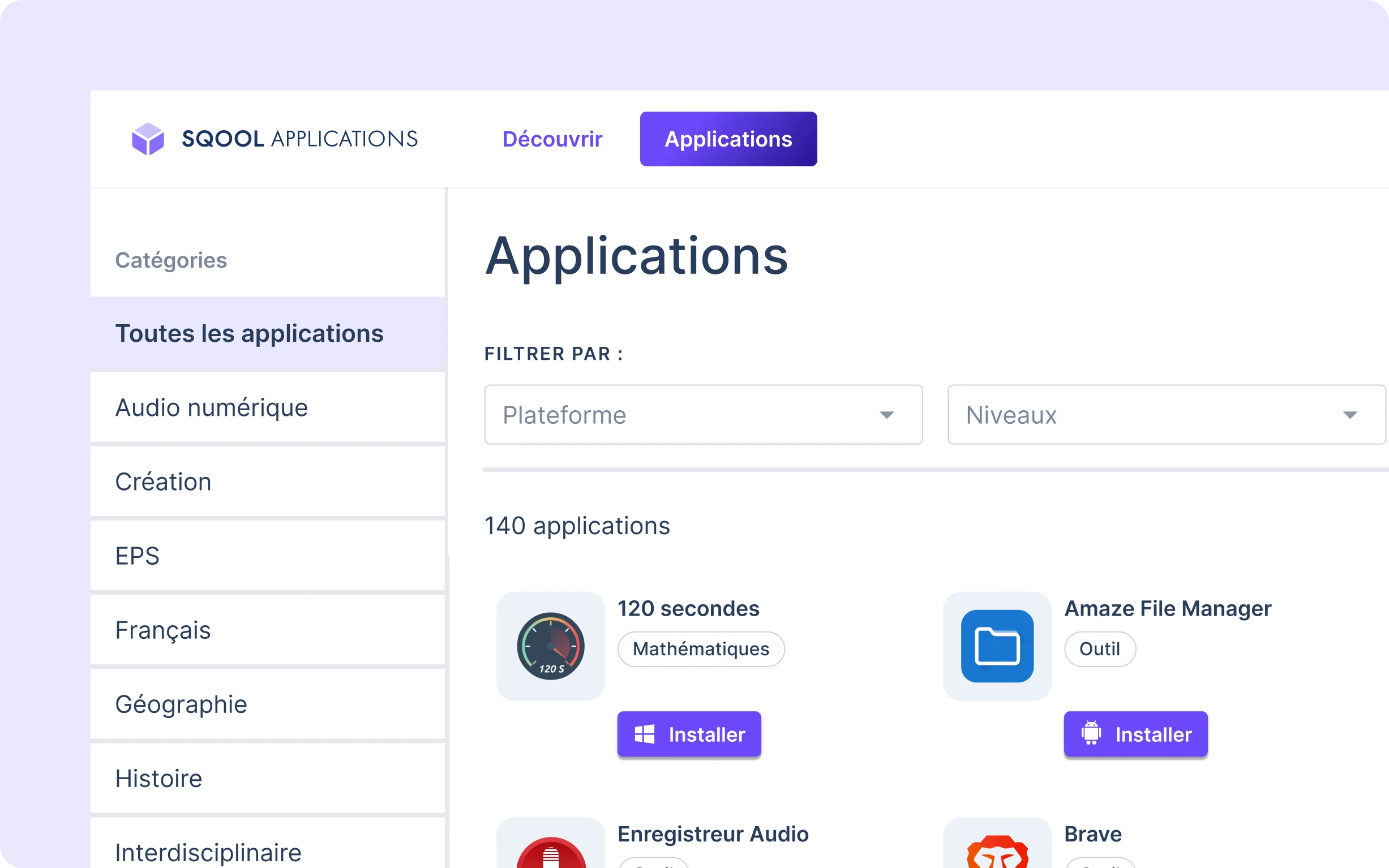
Device fleet management for IT admins, and an app catalog for teachers.
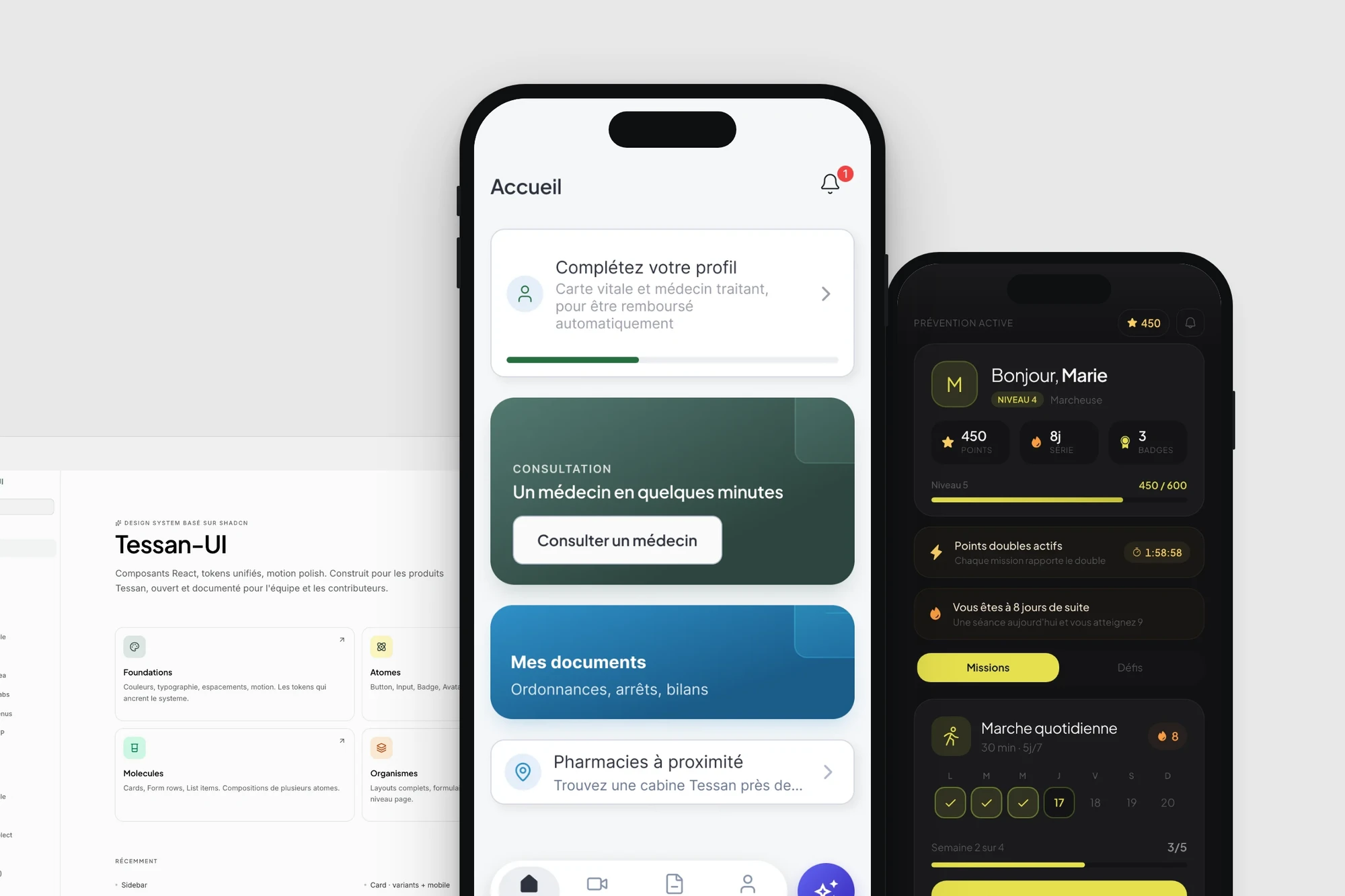
SQOOL Protect
Parental controls with QR code pairing, shipped in 3 months.
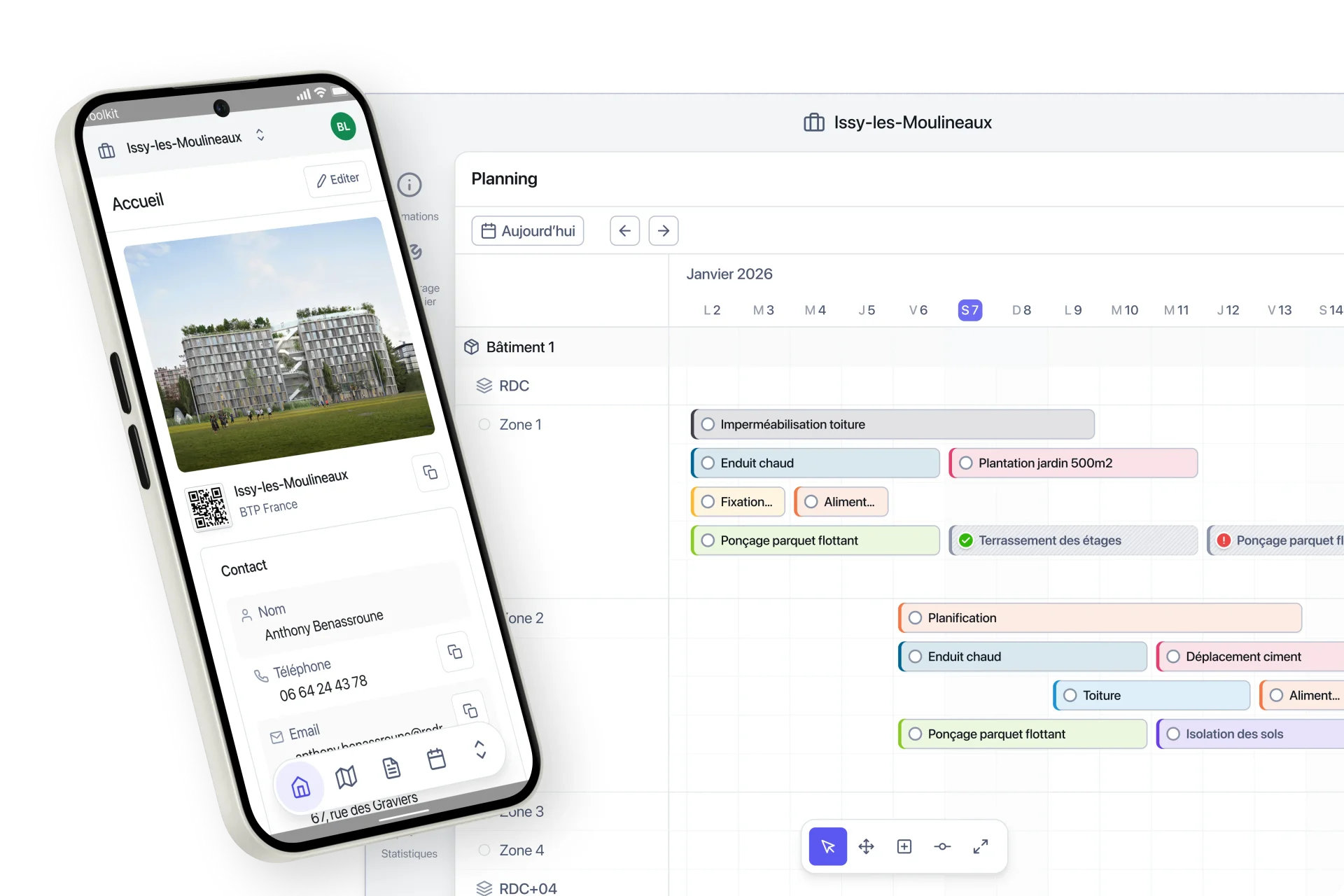
SQOOL Extend
Virtual Windows desktops with professional tools on light devices.
Brand and design system
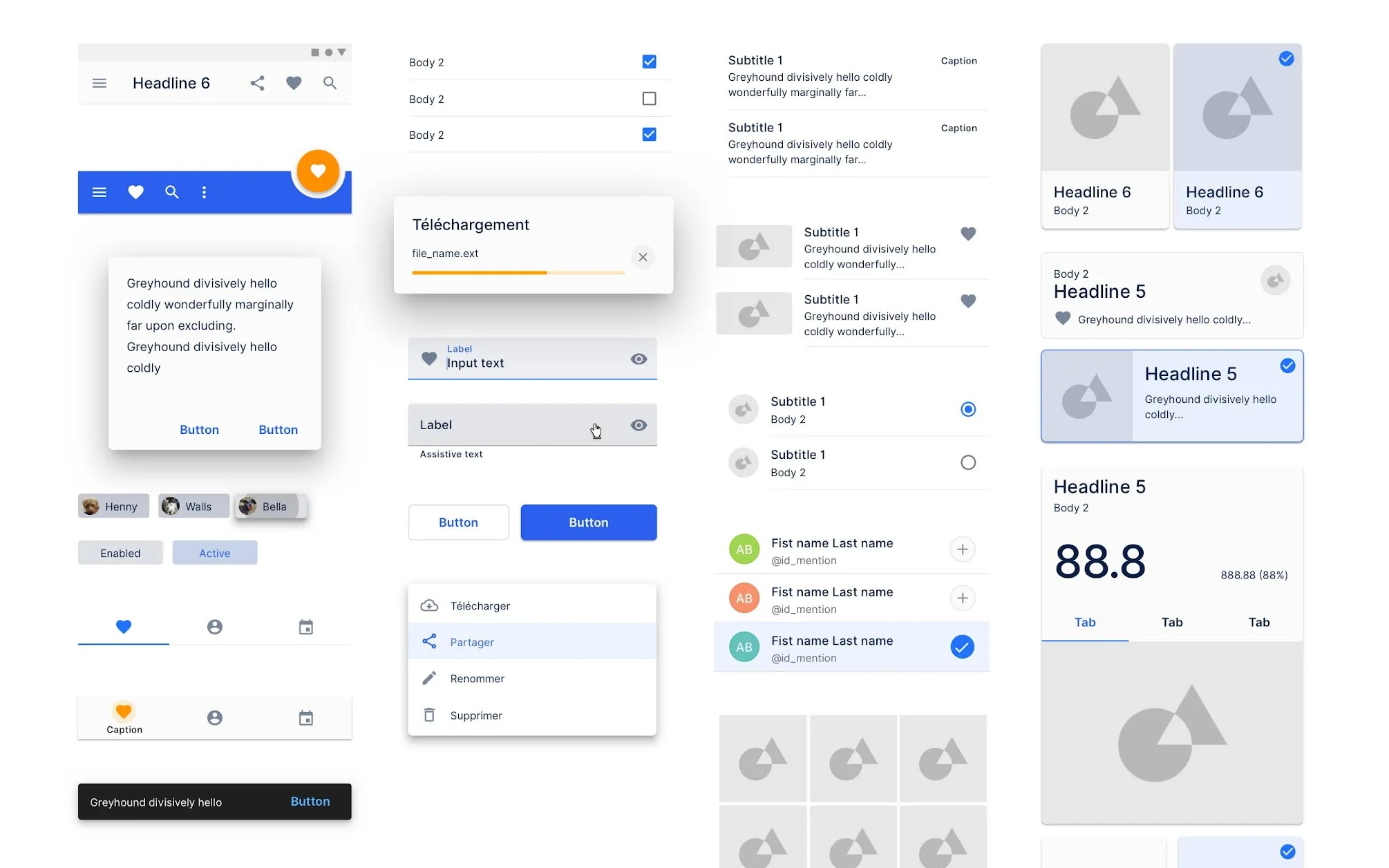
One visual system and Figma libraries, extended from 5 to 7 apps and documented on ZeroHeight.
When the region decided to equip every student and teacher in 465 high schools, the SQOOL suite still belonged to a world that was ending: shared tablets on carts, heavy C++ desktop apps for teachers, a launcher that locked students into one Android environment, servers hosted in the schools. None of it worked on a personal device used in class and at home.
The suite had to run on standard Android and Windows devices, from any browser, against the ENT (digital workspaces) that schools already used. I set three objectives, tied to the design work ahead.
Select a phase to see what it contained
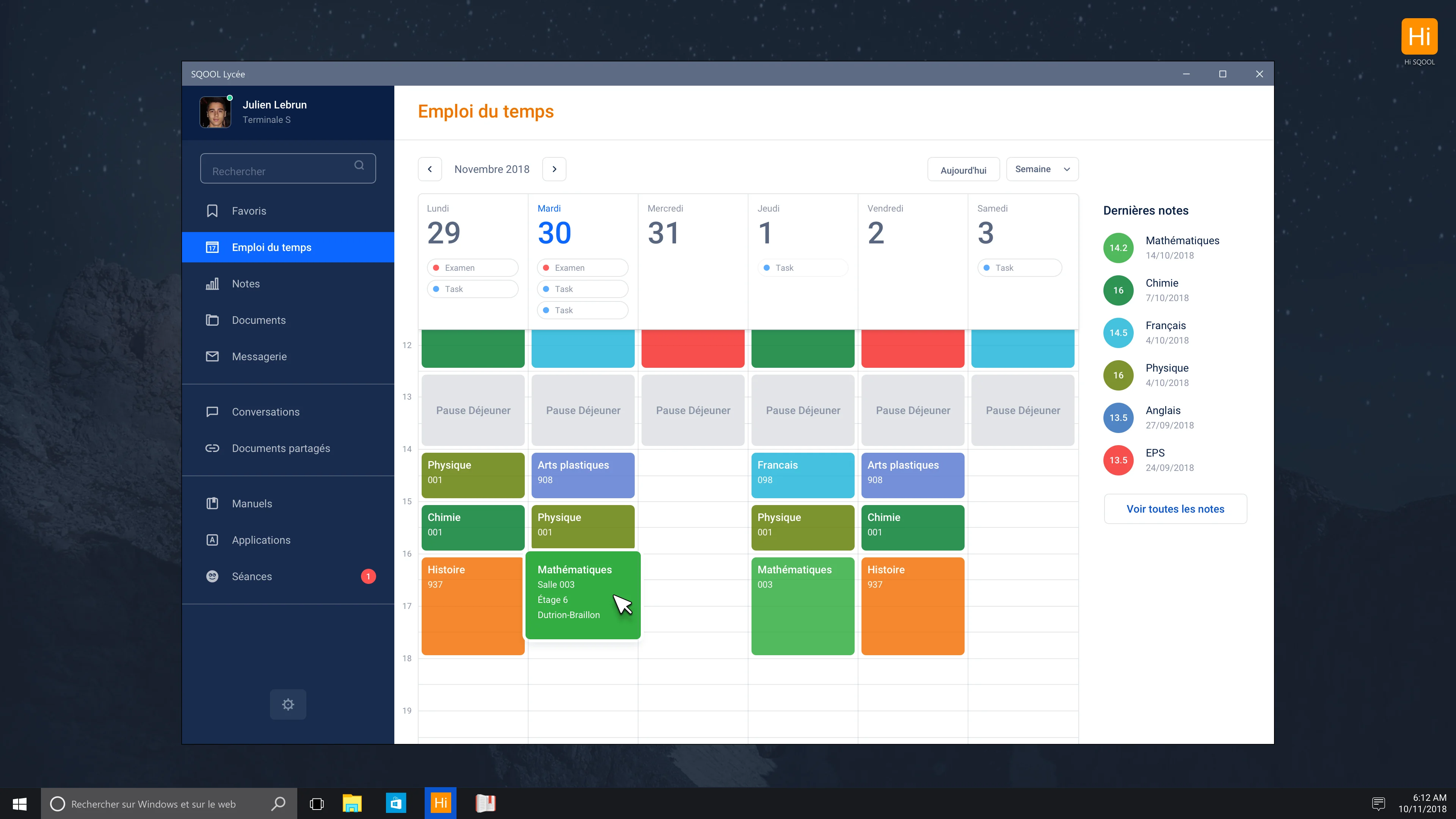
In 2019, Hi-SQOOL was a unified dashboard for high schoolers: sessions, cloud storage, an app catalog and authentication. The students we interviewed wanted a tool that did not look like the institutional ones. The MVP shipped in six weeks with a PO and two developers, then was presented to the regional council. It validated the web approach and produced the authentication and cloud storage that later apps reused.
In 2020, Connect took the idea to the scale of the whole suite: one dashboard, with a floating menu, La Bulle. The React prototype worked, and it showed that a dense dashboard would compete directly with the ENT. That evidence let us stop and change direction.
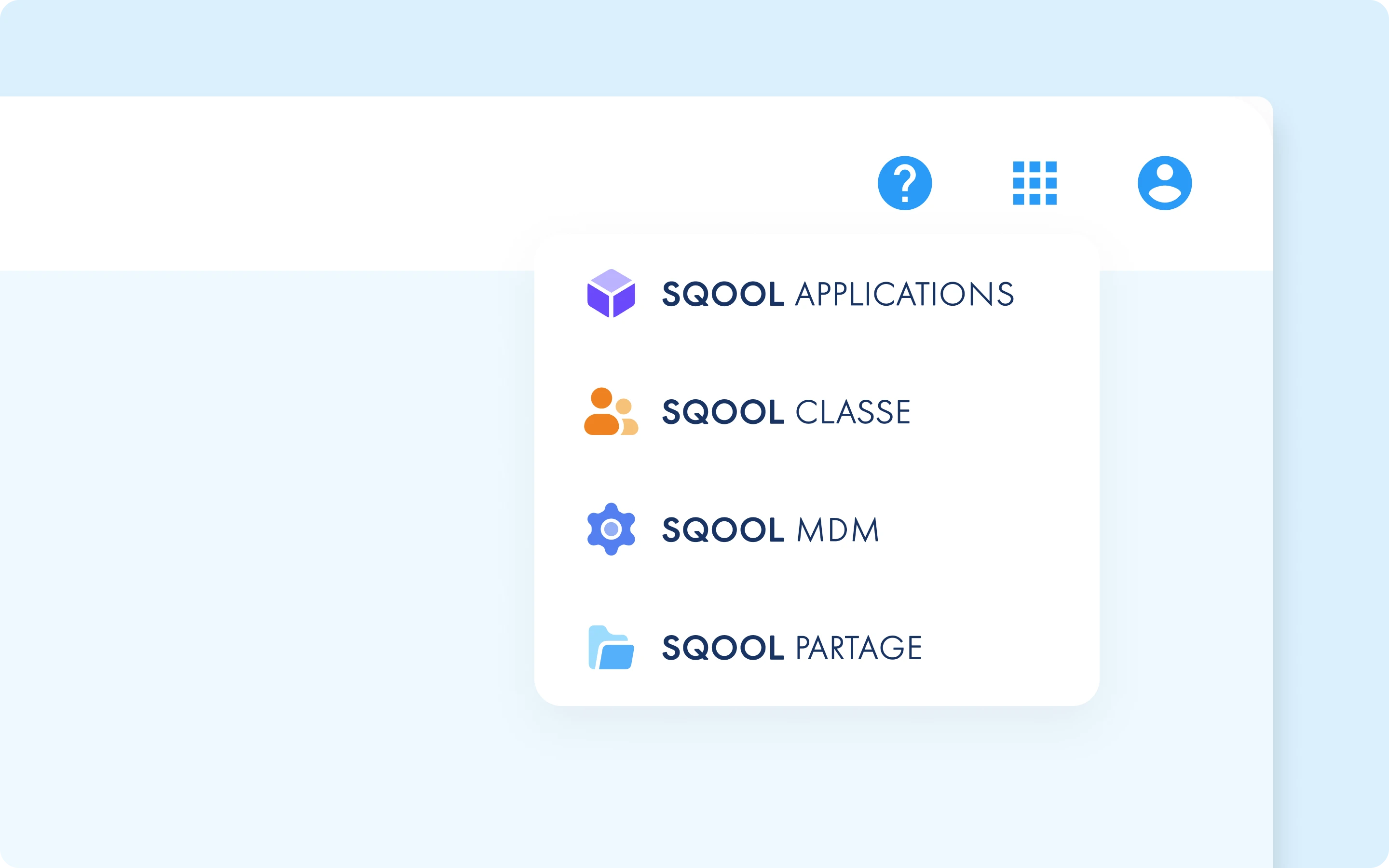
With product leadership I wrote a manifesto for the company: apps that are simple to understand, fluid to use and magical in the moments that matter. Each app would solve a single problem: files with Partage, supervision with Classe, fleet management with MDM for the IT team. Teachers knew at once what each tool was for, and the development teams got clear ownership.

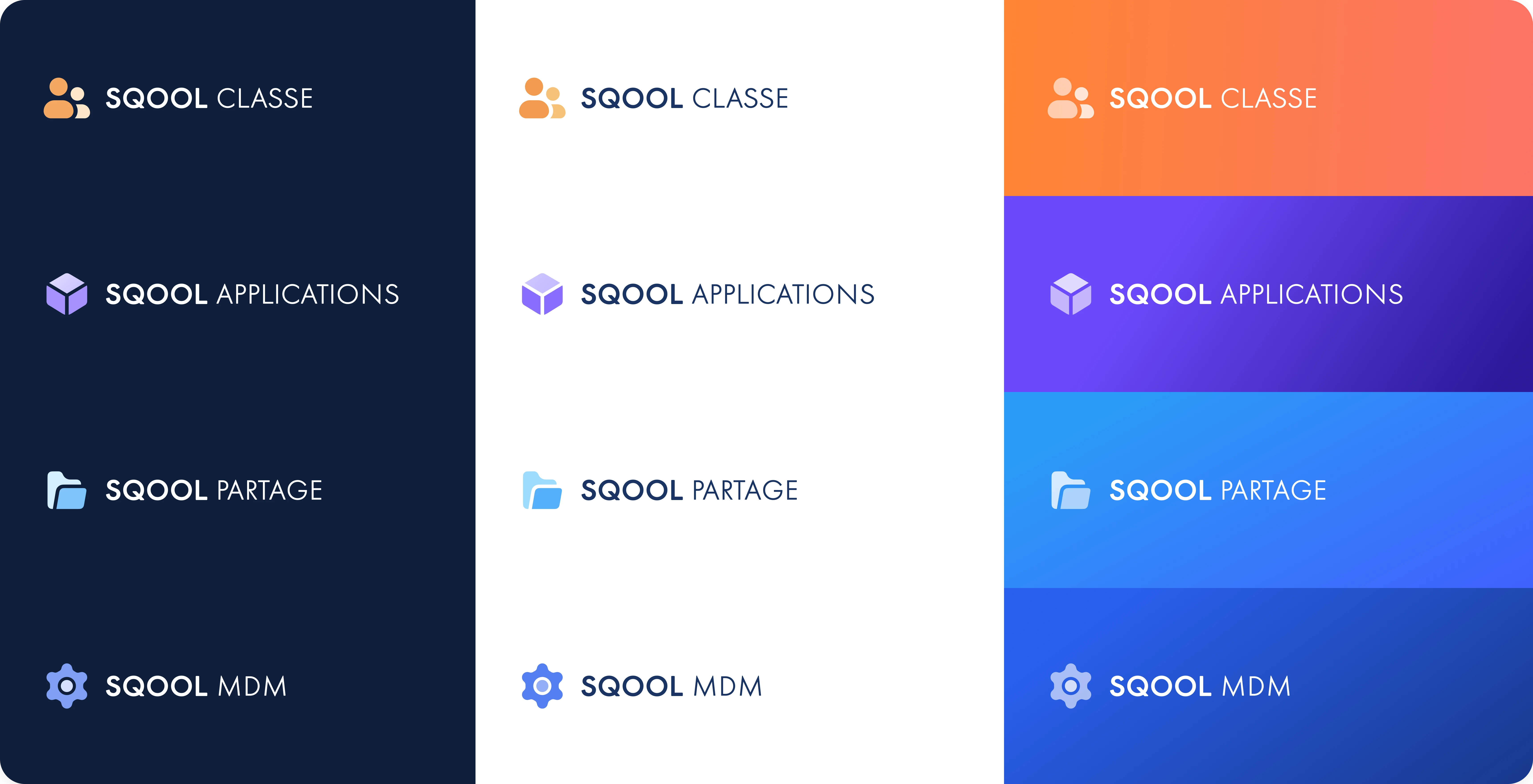
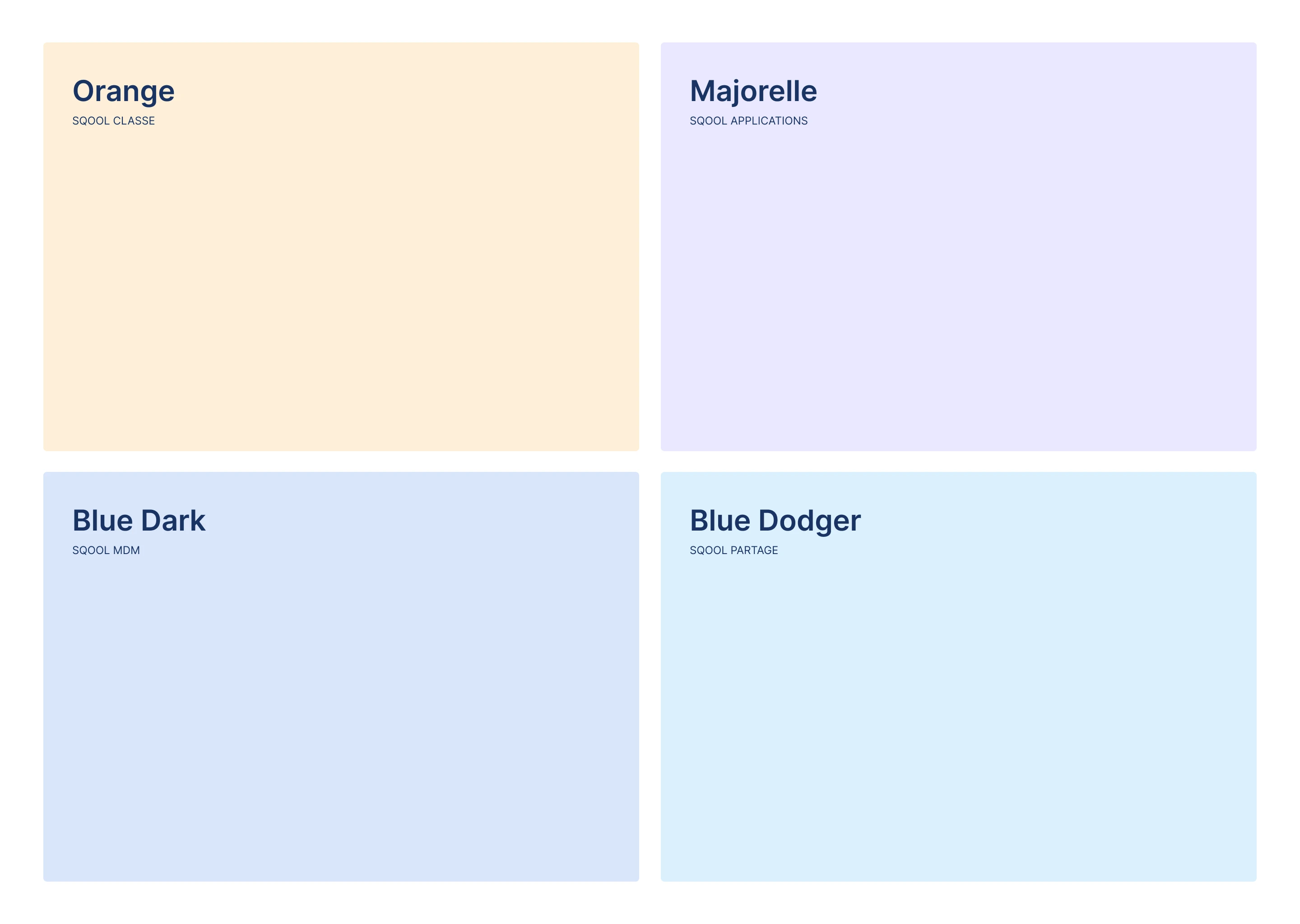
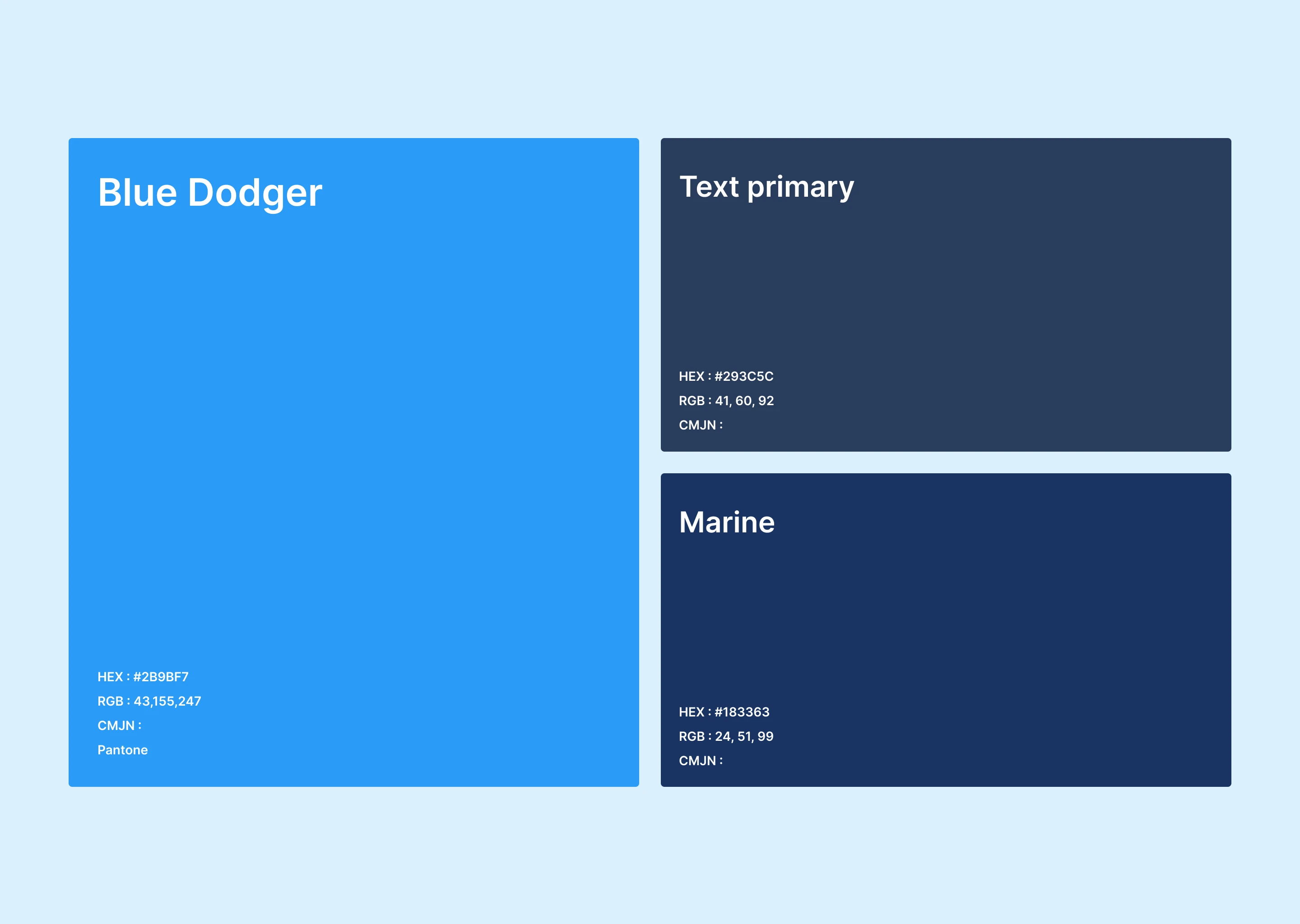
A suite of apps needs one identity. I designed the visual system, one color per app within a single family, refined with the agency Fllow and extended from 5 to 7 apps. I structured the Figma libraries and the ZeroHeight documentation, and defined the shared base: app shell, navigation and a file picker common to Classe and Partage. Weekly design syncs and QA reviews kept the teams aligned.
Each application starts from a field finding, and the design decision follows from it.
In six years UNOWHY went from a hardware maker to a software publisher. The suite counts 7 web applications and serves 500,000 students and teachers in 465 schools in Île-de-France.