01
Claude Code for designers
How a product designer uses Claude Code daily for research, prototyping, code and documentation. Drawn from my own practice.
To talk about product design, running a team’s design practice, or problems where design makes a measurable difference. I hold a full-time role and remain available for short consulting and freelance missions.
Conferences, workshops and training. Product design, design systems, AI tools.
01 / 04
Tell me about the format, topic, and context. I’ll get back to you within 48h.
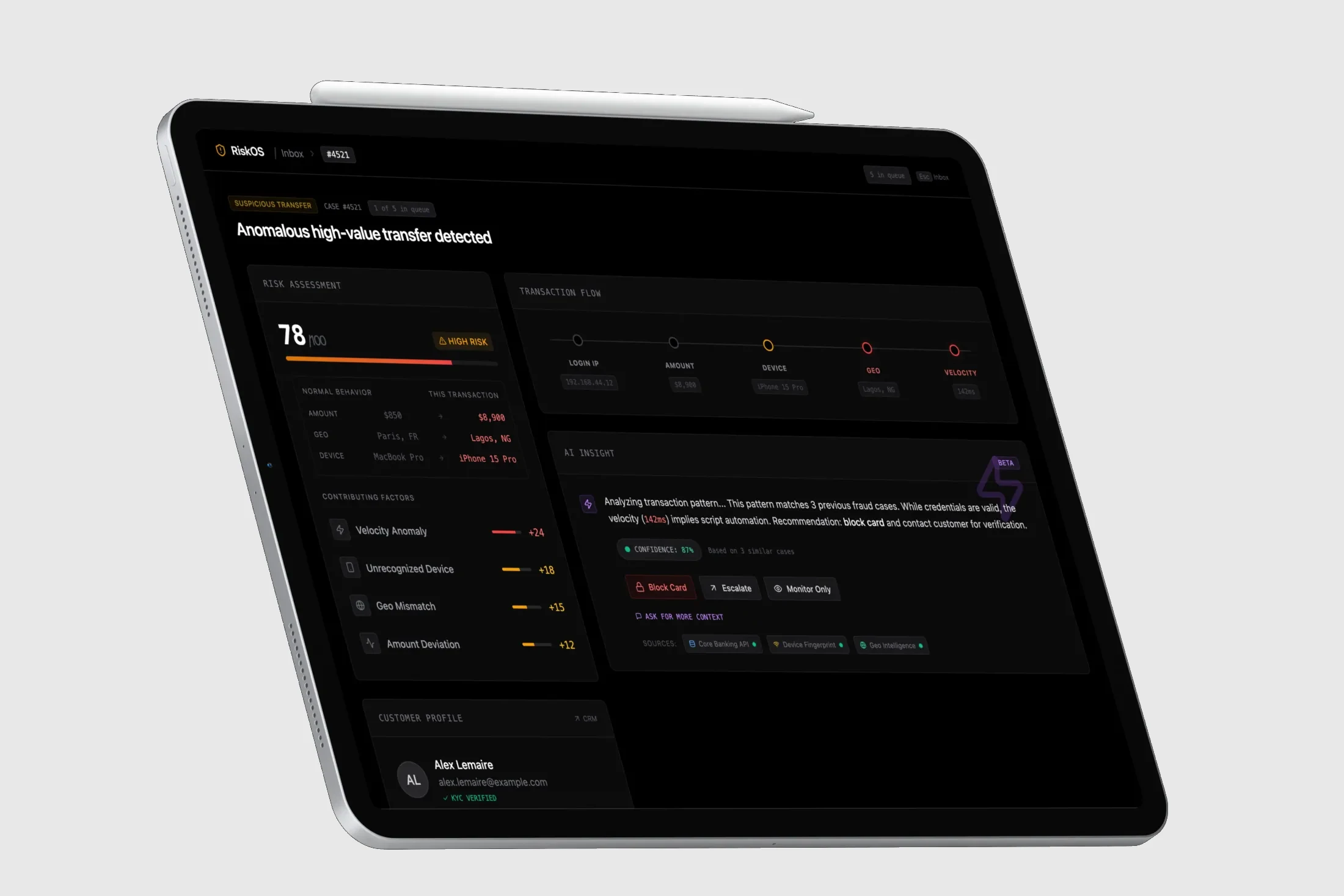
Product Design
AI-augmented fraud detection. A functional prototype exploring human/AI collaboration under time pressure.
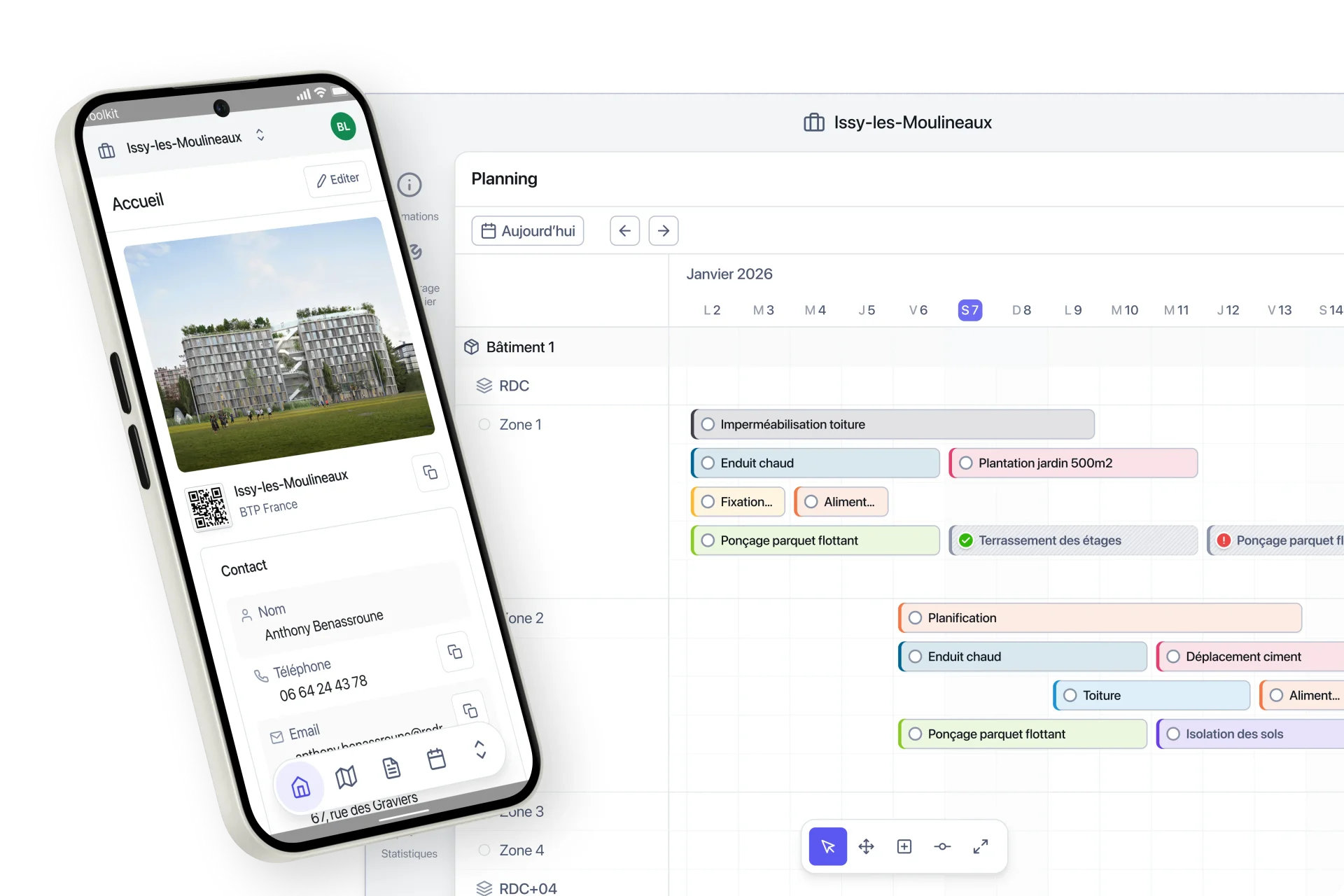
Founding Designer
0-to-1 Product Design for a Construction Tech SaaS. From pitch deck to MVP.
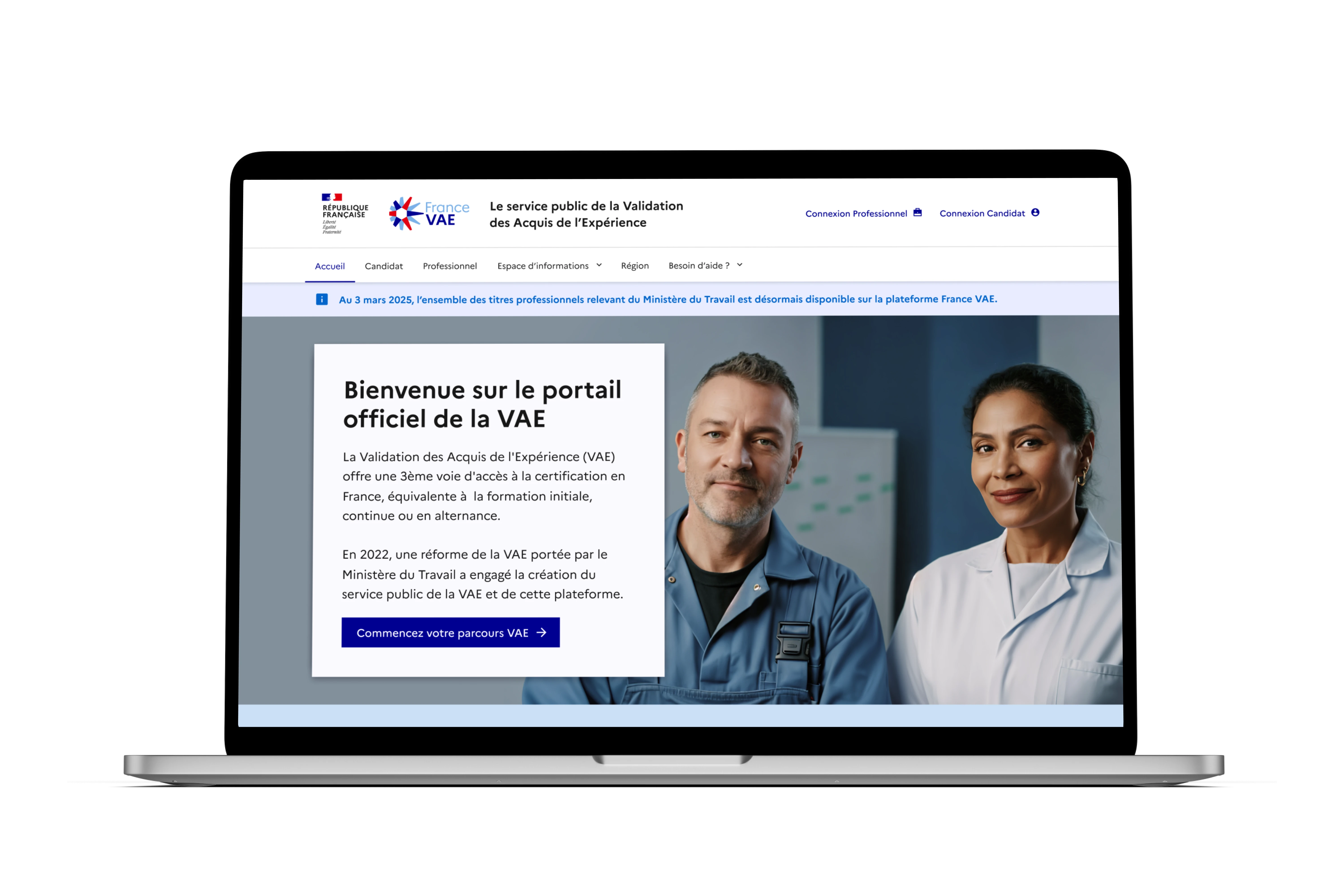
Lead Product Designer
6-month mission structuring product ops for a national public service scaling to 100K+ candidates.
For the past few months, I have been using Figma MCP to read my designs directly from Claude Code, generate components that match the design, and iterate in real time between the mockup and the codebase. The workflow compresses the design-to-integration cycle from days to hours. I design in Figma, then Claude Code reads the component specs, spacing, tokens and layout through MCP, and generates production-ready code that stays faithful to the original intent. The interesting part is not the speed. It is the quality of the feedback loop: when I see the result instantly, I make better design decisions because I can evaluate them in context, not in isolation.
I recently ran a complete experiment: designing a full design system in Figma (tokens, components, variants, documentation), then implementing it on a dedicated site built in Astro and Tailwind, driven entirely by Claude Code. The design system covers foundations (color, typography, spacing, elevation), atomic components (buttons, inputs, badges, tags), and composite patterns (cards, navigation, forms). What this approach changes in the relationship between design and development is fundamental. The design system becomes a single source of truth that both the designer and the AI can read. Claude Code reads structured design data rather than interpreting screenshots. The gap between the intended design and the implemented result shrinks to almost nothing.
I have started running AI workshops for entrepreneurs and product teams. The most common misconception is that generative AI replaces skills, but it amplifies what you already know. A product manager who understands user needs will write better prompts than a junior who copies templates. The training works best when I start with their actual problems, not with the tool.